Reframing Dashavatar: Socio-Political Transformations Shaping Mise-en-Scène and Audience Engagement in South Konkan Folk Art
Poorva Waman Pandit* and Mahesh Kumar Mishra**
Abstract
This paper examines transformations in Dashavatar, a folk theatre tradition of South Konkan, through the lens of mise-en-scène. It situates changes in stage design, costume, lighting, sound, and narrative practices within broader socio-political contexts, including caste–class dynamics, mobility, institutionalisation, and evolving audience engagement. Since the 1970s, shifts toward proscenium stages, technological mediation, and digital circulation have reconfigured performance conditions and spectatorship. At the same time, enduring symbolic and performative codes indicate processes of selective adaptation. The study argues that mise-en-scène functions as a critical site where ritual continuity and contemporary cultural transformations are actively negotiated.
Keywords: Dashavatar, mise-en-scène, Indian folk theatre, spectatorship, socio-political transformation, performance studies, cultural adaptation, ritual performance, stage aesthetics, vernacular theatre
Introduction
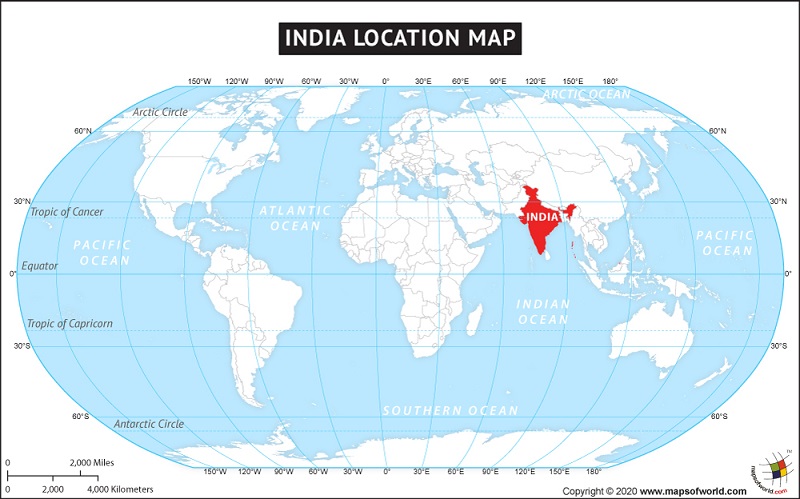
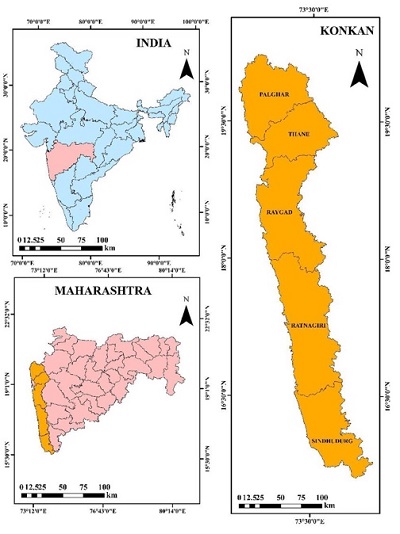
The South Konkan region of Maharashtra, India—encompassing the coastal districts of Ratnagiri, Sindhudurg, and extending into North Goa—is shaped by its coastal ecology, agrarian rhythms, and layered cultural practices—has historically sustained a range of folk performance traditions such as Bharud (didactic folk lyric), Lalit (devotional folk), and Chitrakathi (pictorial storytelling folk), and notably Dashavatar. Among these, Dashavatar (a folk theatre tradition narrating the ten incarnations of Lord Vishnu) occupies a significant place as a ritual-mythological performance practice that integrates music, dance, narration, and visual spectacle. Traditionally performed within temple premises during annual jatras (village fairs), Dashavatar operates at the intersection of devotion and entertainment, functioning both as a religious offering and as a form of collective cultural participation embedded within rural social life.
A typical Dashavatar troupe consists of ten to twelve male performers, many of whom are engaged in occupations such as farming, fishing, tailoring, or small-scale trade, reflecting the close relationship between performance practice and local socio-economic structures. Performances are conventionally structured into two segments: the Purvaranga (Aad-Dashavatar or preliminary ritual segment), which establishes a devotional opening, and the Uttar-ranga (Aakhyan or narrative enactment segment), which presents dramatization, choreography, and musical accompaniment. Historically staged in open-air courtyards and continuing through the night, these performances align with agrarian cycles and community gatherings.
While existing studies have often framed Dashavatar through broad notions of transformation, such formulations remain analytically limited. This paper argues that the changes observed in Dashavatar are not merely formal or aesthetic adjustments but are deeply embedded within shifting socio-political contexts. In particular, these shifts reflect evolving caste-class configurations of performers, transformations in audience composition, and broader processes of mobility, urbanisation, and cultural institutionalisation.
By foregrounding mise-en-scène (the arrangement of visual, spatial, and performative elements on stage) as an analytical lens, this paper examines how visual, spatial, and performative elements mediate these transformations and how they are shaped by changing socio-cultural and political conditions. Rather than treating Dashavatar as a static tradition, the study positions it as a dynamic performative system that negotiates between ritual continuity, audience expectations, and contemporary cultural frameworks.
To understand these shifts more closely, it is essential to examine Dashavatar through the lens of mise-en-scène, which provides a framework to analyse its visual, spatial, and performative dimensions.
Concept of Mise-en-Scène in Dashavatar
Mise-en-scène refers to the arrangement of visual, spatial, and performative elements through which meaning is generated within a performance. Originating from the French expression meaning “placing on stage,” the term encompasses all that is visible within the theatrical frame, including staging, bodies, objects, and atmosphere. In both theatre and folk performance traditions, mise-en-scène functions as a key semiotic system through which cultural, emotional, and symbolic meanings are communicated beyond spoken language.
In the context of Dashavatar, mise-en-scène emerges through the interaction of multiple elements such as stage space, costume, makeup, lighting, sound, and performative movement. These components operate in relation to one another to construct narrative meaning and guide audience perception. Visual elements such as colour, costume, and masks establish character identity and symbolic value, while spatial arrangements and lighting shape attention and atmosphere. At the same time, music, dialogue delivery, and choreographic patterns structure rhythm, emotion, and narrative progression. Together, these elements form an integrated dramaturgical system that enables Dashavatar to communicate across diverse audiences.
Rather than approaching Dashavatar as a fixed or essentialised tradition, this study understands it as a dynamic assemblage of recurring narrative conventions and performative strategies that are continuously reinterpreted in response to changing socio-cultural and political conditions.
Within this broader performative framework, the concept of dharma (moral and ethical order) plays a central dramaturgical role. The notion of the “dramaturgy of dharma” refers to the ways in which moral order, ethical conflict, and cosmic balance—central to Hindu mythological narratives—are embodied through performance. Codified gestures, postures, and movement patterns function as expressive tools that articulate tensions between opposing forces such as good and evil, restraint and aggression, and justice and disorder. These performative codes enable audiences, including those unfamiliar with the language of the performance, to interpret meaning through visual and embodied cues, thereby reinforcing the cultural intelligibility of Dashavatar. In this sense, performance also operates as a pedagogical medium through which moral values are communicated and community awareness is shaped. Viewed through this lens, the following sections trace how the elements of mise-en-scène in Dashavatar have evolved in response to changing performance contexts and socio-political conditions.
Material and Performative Transformations in Dashavatar’s Mise-en-Scène
Transformations in Performance Space and Scenography
From the 1970s onwards, the mise-en-scène (visual and spatial arrangement of performance elements) of Dashavatar underwent significant transformations that reflect not only changes in performance practice but also broader socio-cultural and institutional shifts. Traditionally staged in temple courtyards, village squares, and open community grounds, performances were embedded within ritual space and relied on environmental elements—such as temple architecture, trees, and natural light—as integral components of scenography.
Performer–Audience Spatial Dynamics and Collective Engagement
These spatial arrangements enabled a fluid performer–audience relationship, with spectators positioned on multiple sides, fostering immediacy and collective participation.
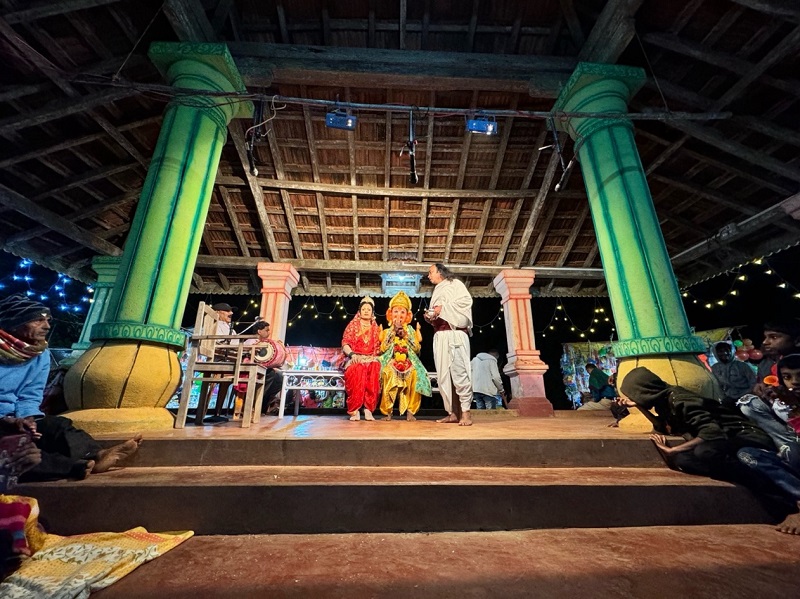
From the 1970s to the 1990s, the performance context gradually shifted toward more structured environments, including school auditoriums, community halls, and semi-proscenium or proscenium-like stages. This transition corresponded with increasing mobility of troupes, changing audience compositions, and the incorporation of Dashavatar into institutional and competitive cultural programme circuits. The move to bounded stage spaces introduced a more frontal mode of spectatorship, privileging visual clarity over immersive proximity and reshaping patterns of entrances, exits, and spatial movement.
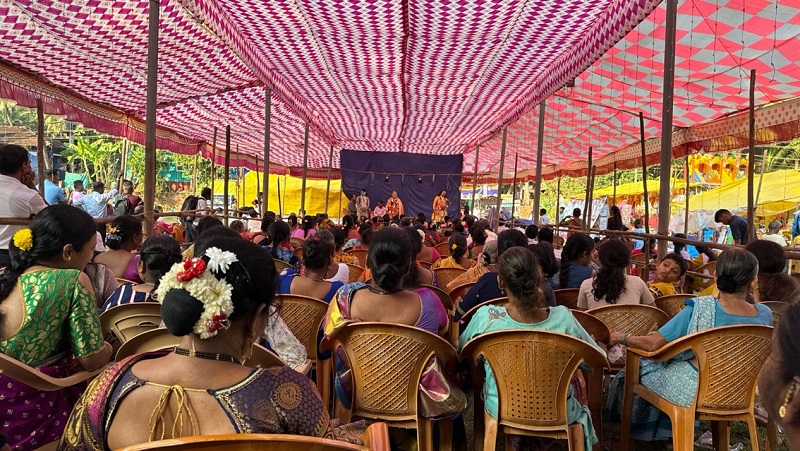
These developments must be situated within the broader cultural politics of post-independence India, where folk traditions were increasingly valorised as markers of national identity. State patronage and institutional platforms contributed to both the continuity and reconfiguration of such forms, often presenting them to audiences beyond their original ritual contexts. In his 2010 review of Erin B. Mee’s Theatre of Roots, Brahma Prakash notes that relocating folk performances into formal stage settings alters how audiences engage. This shift often prioritizes visual coherence over immediate participation (176).
The introduction of painted cloth backdrops during the 1980s and 1990s marked a significant scenographic shift. These backdrops enabled the standardisation of mythological settings—such as palaces, forests, and celestial realms—across varied venues, indicating a move from environment-responsive performance to a more representational visual logic. Similarly, the use of props expanded beyond minimal symbolic objects to include elements that facilitated clearer transitions and enhanced visual legibility, particularly for increasingly heterogeneous audiences.
These transformations suggest that changes in stage design and scenography in Dashavatar cannot be understood merely as aesthetic modifications but indicate a broader reorientation—from a locally embedded ritual practice toward a more mobile, adaptable performance system shaped by audience diversification, infrastructural change, and institutional frameworks. These shifts in spatial and scenographic design are paralleled by changes in the embodied and visual dimensions of performance, particularly in makeup, costume, and character representation.
Embodiment, Gender, and Character Construction
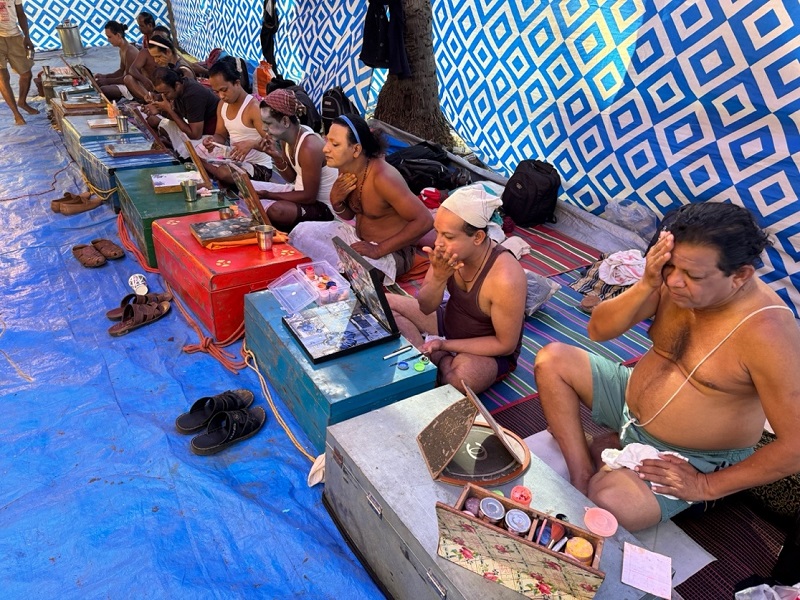
These changes suggest that mise-en-scène in Dashavatar operates not as a fixed aesthetic framework but as a responsive system shaped by evolving material conditions and socio-political realities.
Patriarchal authority, joint family structures, and ideals such as pativrata (wifely fidelity) have historically shaped women’s roles, regulating behaviour through kinship norms, ritual prescriptions, and family-centred responsibilities. Within this framework, menstruation was often constructed through notions of ritual impurity and seclusion, imposing cyclical restrictions on women’s mobility and their access to both sacred and public spaces. Such embodied regulations functioned as mechanisms of social control, reinforcing gendered boundaries within the cultural sphere. Consequently, women’s participation in performance traditions such as Dashavatar remained limited, particularly in rural contexts where caste-based divisions of labour further structured access to performative domains.
Many performers emerged from communities historically associated with occupational networks such as the Bara Balutedar system, where artistic labour was embedded within broader social hierarchies. In her 2020 review of Brahma Prakash’s Cultural Labour, Claire Pamment notes that performance practices in India are profoundly shaped by caste-based labour structures. This dynamic reveals how aesthetic forms are embedded within social relations (604–5).
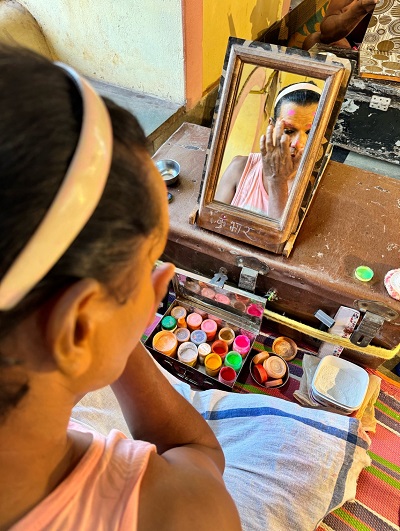
In this context, the enactment of female roles by male performers is not merely practical but a ritually sanctioned and historically sustained practice shaped by religious devotion, gendered ethics, and the socio-cultural positioning of women. Cross-gender performance thus reflects the intersection of caste, labour, and gender within the performance ecology of Dashavatar.
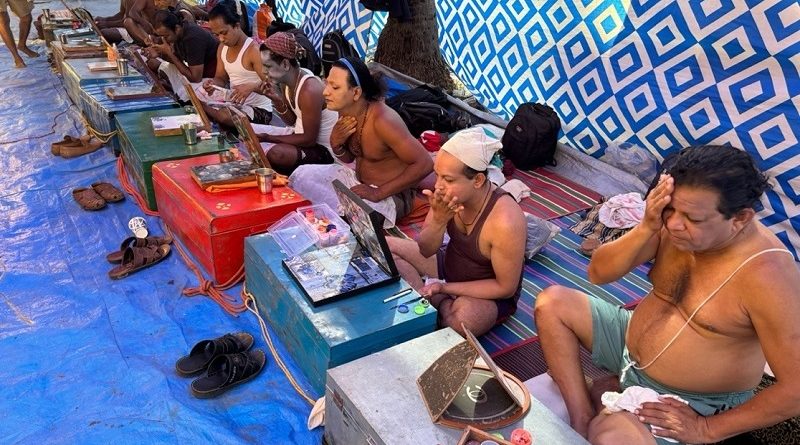
This socio-cultural context informs the visual strategies through which characters are constructed and recognised in performance. The preparatory moment before enactment—when artists assemble their materials and construct their characters—remains a crucial performative threshold. Performers apply their own makeup using codified yet individualised techniques, reflecting both continuity and adaptation within the form’s visual language.
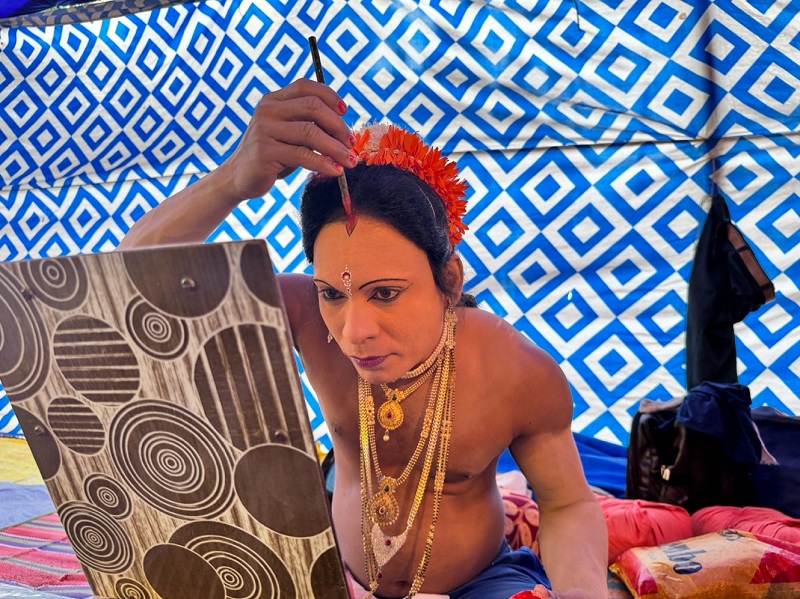
Historically, makeup practices relied on locally sourced materials such as charcoal, turmeric, vermilion, lime powder, and oil-based pigments, producing high-contrast facial designs suited to large, open-air night performances. With the expansion of electrification in rural South Konkan during the 1960s–1970s, performers increasingly adopted commercially available chemical colours, as artificial lighting required greater colour stability, brightness, and durability. While the material composition of makeup changed, the emphasis on bold chromatic contrast and visual legibility remained central, particularly as performances engaged larger and more diverse audiences.
The continued practice of male performers enacting female roles further illustrates how visual strategies mediate gender representation. Makeup and costume function not only to construct femininity but also to ensure clarity and recognisability across heterogeneous audiences. In this sense, visual exaggeration operates as a communicative device rather than merely a stylistic choice, reinforcing character identity within changing performance contexts.
Importantly, the chromatic vocabulary of Dashavatar retains a strong symbolic framework—blue and gold signifying divinity, red indicating shakti (power), black representing demonic force, and white connoting peace. These symbolic associations are not static; their continued use within changing material and technological conditions demonstrates how meaning is sustained through adaptation rather than through the preservation of a fixed or essentialised tradition.
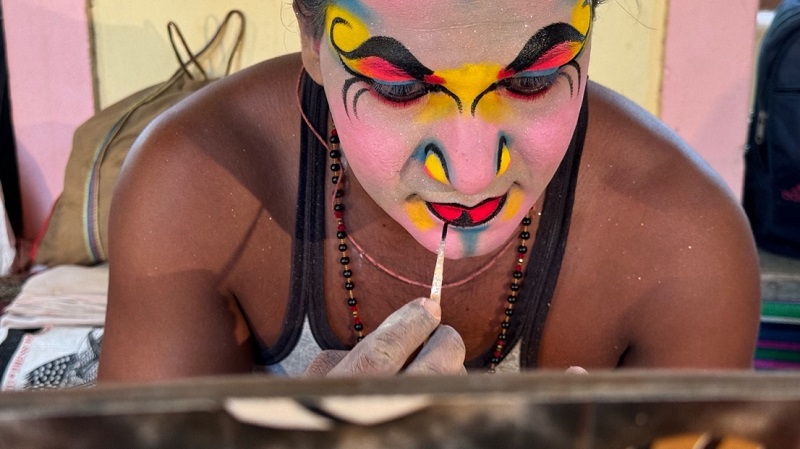
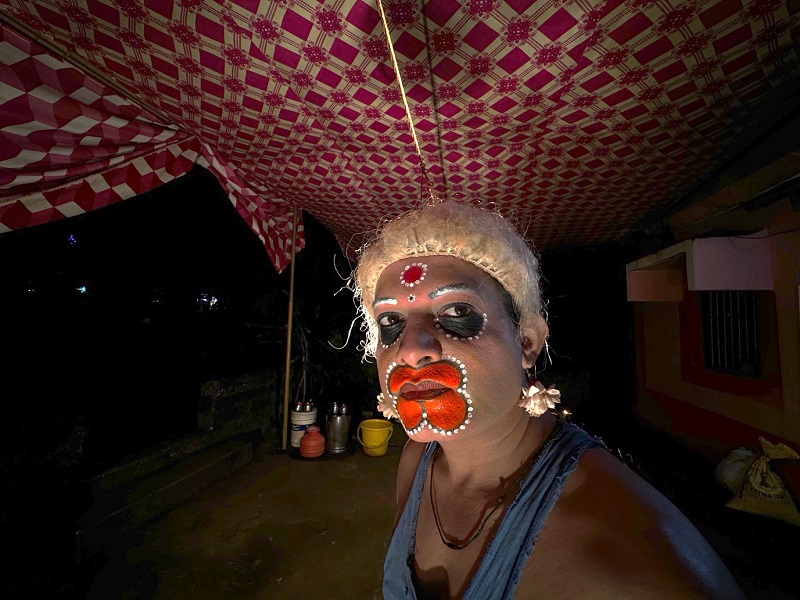
Within this framework, the performative codes of gesture, posture, and facial expression contribute to what may be understood as the dramaturgy of dharma. Rather than restating its conceptual definition, this section emphasises how these embodied practices translate moral and narrative tensions into visible and affective forms. Through expressive contrasts—such as restraint versus aggression—performers render these tensions legible to audiences, reinforcing the interpretive and communicative function of Dashavatar’s visual language.
Alongside these changes in makeup and costume, the use of masks and headgear has undergone a parallel process of adaptation.
Costume, Weapons, and Material Transformation
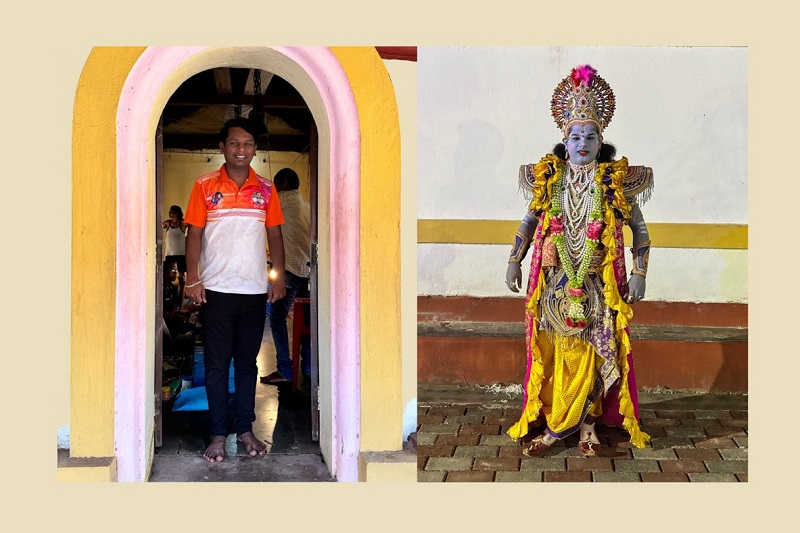
The evolution of costume practices in Dashavatar reflects broader shifts in material culture, accessibility, and performance mobility, while remaining closely tied to the dramaturgy of dharma. Traditional garments—such as sovale, dhoti, barabandhi, and uparane—continue to function as semiotic markers that distinguish moral alignments, social hierarchies, and character types within performance. However, a significant transformation emerged in the late 1970s and 1980s with the arrival of television in rural regions. Exposure to televised mythological serials and cinematic representations introduced new visual conventions, encouraging performers to adopt more elaborate and standardised costume aesthetics associated with divine and mythological figures. The increasing use of synthetic fabrics further supported this shift by enhancing durability, affordability, and visual brilliance under electric lighting. Consequently, costume practices began to negotiate between inherited symbolic codes and newly mediated expectations, where heightened spectacle and recognisability intensified the visual articulation of dharma on stage.
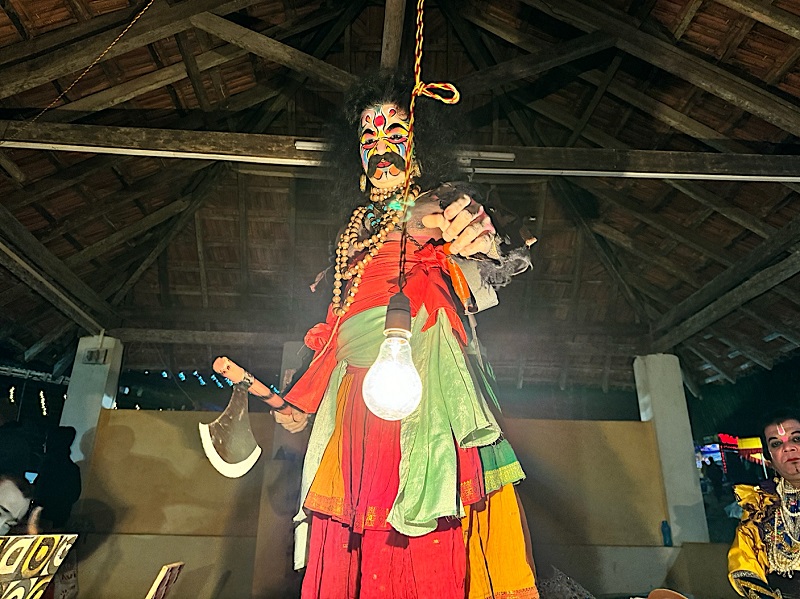
Divine characters maintain highly codified visual identities through specific colour schemes, ornaments, and crown forms that signal hierarchy and sacred presence. Female characters, performed by men, continue to embody culturally recognisable markers of femininity through costume and adornment, reinforcing the performative construction of gender within the tradition. Demonic figures, in contrast, retain exaggerated visual features—such as loose hair, pronounced facial markings, and dynamic costume elements—that emphasise their oppositional and disruptive role within the narrative structure.
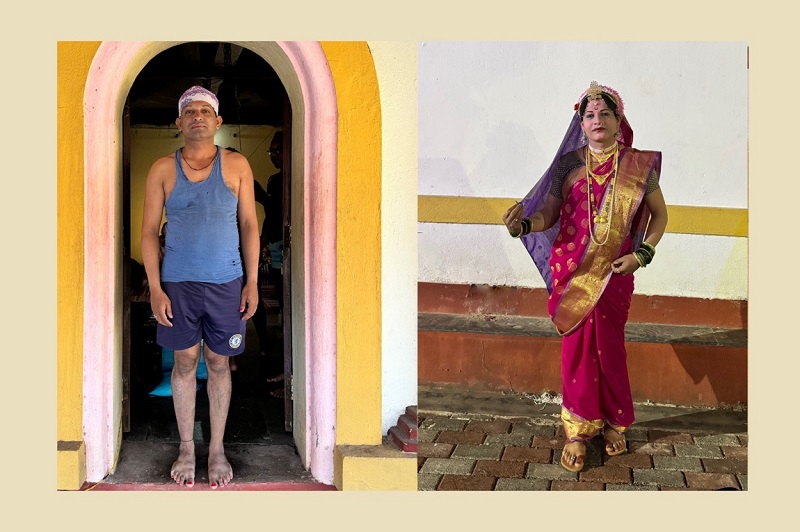
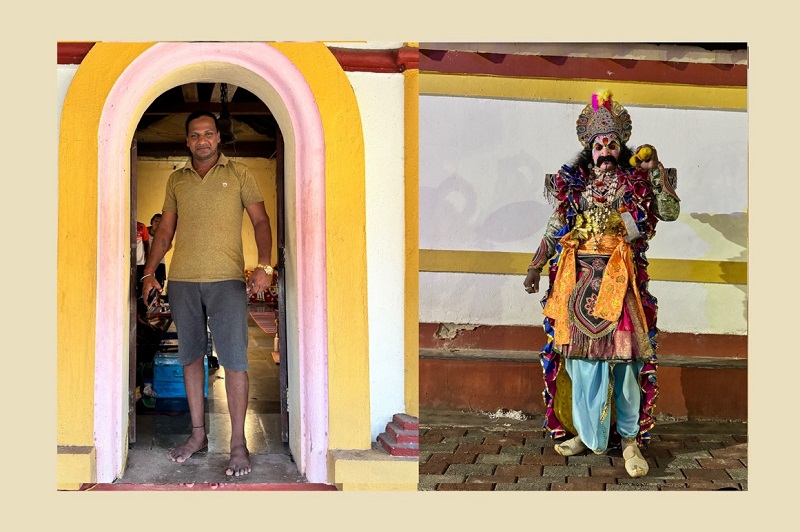
Weapons, integral to the choreographic vocabulary of Dashavatar, have also undergone material transformation. The shift from heavier wooden or metal implements to lighter synthetic alternatives enabled greater mobility and facilitated more elaborate and sustained battle sequences. This change reflects an increasing emphasis on visual dynamism and performative efficiency, particularly in contexts where audience engagement depends on pace, clarity, and spectacle.
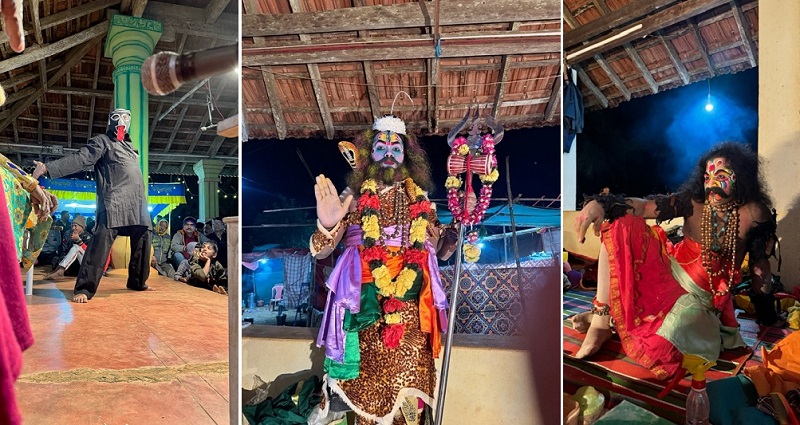
These developments further demonstrate how material choices in costume and props function as active components of mise-en-scène, shaping both visual meaning and audience perception.
Masks, Headgear, and Material Adaptation
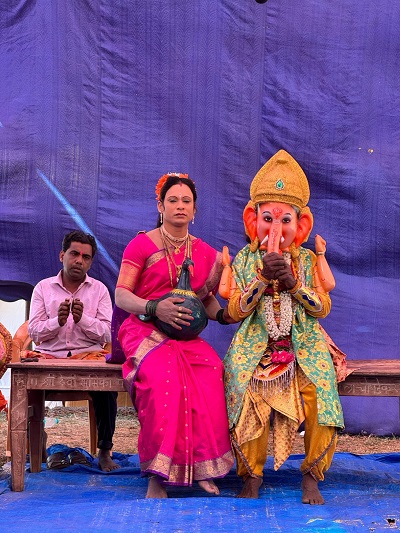
Wooden masks have long been central to Dashavatar, representing deities and mythological figures through stylised and culturally resonant iconography. Preserved and ritually worshipped within the sacred Petara (box), they embody both performative and devotional dimensions of the tradition. However, from the late 1980s into the 1990s, their use declined due to constraints such as weight, restricted mobility, limited flexibility, and growing demands of touring and stage-based performances. This shift coincided with the spread of television in rural regions, where mythological serials and cinematic imagery introduced new visual expectations, encouraging performers to adopt lighter, more adaptable, and visually striking alternatives.
In response, practitioners increasingly turned to detailed facial makeup and simplified headgear, enhancing mobility and adaptability across contexts. While this transition improved logistical efficiency, it also altered the visual register of Dashavatar. The reduced presence of masks, once marked by their sculptural presence and symbolic intensity, reshaped visual depth and ritual gravitas within the mise-en-scène. Simultaneously, evolving audience expectations began to privilege clarity, pace, and accessibility over slower, immersive visual codes associated with mask-based performance.
This shift reflects negotiated adaptation, balancing ritual and practical demands, also evident in embodied elements such as hair design and character representation.
Hair Design and Character Representation
Hair design in Dashavatar has remained relatively consistent over time, reflecting continuity within the visual vocabulary of the form. Performers continue to use wigs and hair extensions to distinguish character types, maintaining established aesthetic conventions. Deities are styled with disciplined, structured hair partially covered by crowns, while demonic characters retain wild, exaggerated hairstyles that emphasise heightened physicality. Female characters, performed by men, feature ornamental and decorative hair arrangements that complement costume and jewellery, reinforcing gendered visual coding within performance.
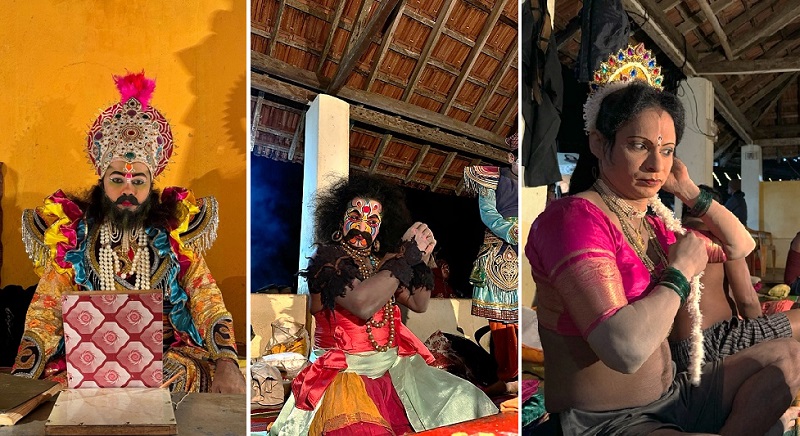
Despite broader material and technological transformations in other elements of mise-en-scène, changes in hair design have been minimal. While materials have become more accessible and lightweight, the underlying stylistic conventions remain largely stable, indicating how certain visual markers persist as identifiable components of character construction within Dashavatar.
These continuities in hair design similarly reflect a process of selective adaptation rather than rupture, balancing established visual conventions with changing material conditions. Comparable transformations are also evident in the evolution of lighting practices.
Lighting and Performance Atmosphere
Lighting practices in Dashavatar underwent a marked transformation in the 1960s and 1970s with the gradual introduction of electricity in rural regions, prompting a shift from oil lamps and petromax lanterns to electric and, later, LED systems. Earlier modes of illumination created a textured interplay of light and shadow, producing a chiaroscuro effect that intensified the ritual and affective atmosphere of performance. In her analysis, Erika Fischer-Lichte argues that changes in theatrical materiality reshape perceptual and affective experiences (38–40). The flickering, uneven warm light heightened dramatic tension and sustained a sense of sacred temporality aligned with night-long, community-based enactments, resonating with what Richard Schechner describes as the environmental and sensory dimensions of performance that shape audience experience (68–72).
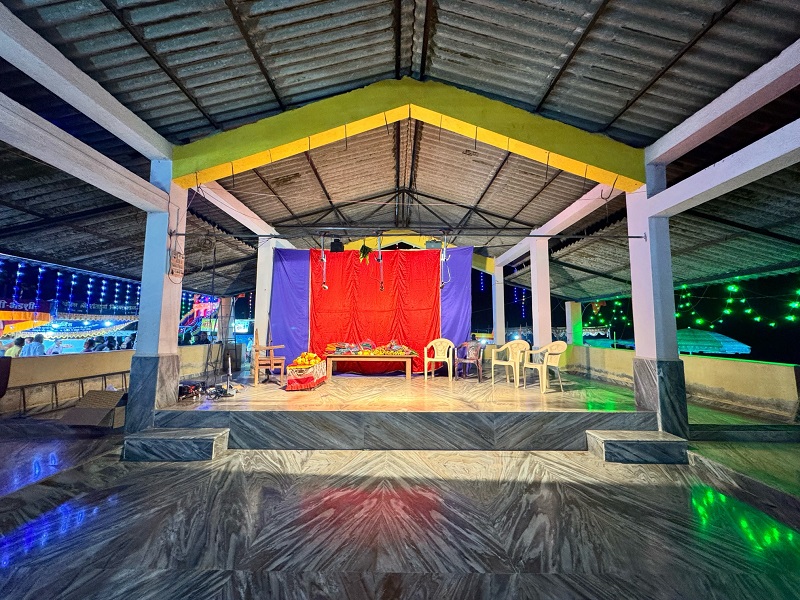
Simultaneously, changing audience expectations, particularly in stage-based and semi-urban contexts, began to favour clarity, spectacle, and visual accessibility over atmospheric nuance. The evolution of lighting reflects not only technological advancement but also a broader reorientation of aesthetic priorities, where enhanced visibility and standardization intersect with shifting modes of audience engagement, as Schechner notes in relation to changing performance environments and audience perception (68–72). These transformations in visual atmosphere were accompanied by parallel changes in the sonic architecture of Dashavatar.
Music, Sound, and Narrative Mediation
The sonic framework of Dashavatar reflects a dynamic interplay of continuity and adaptation, shaped by both enduring performance traditions and changing contexts. Historically, the musical structure has been anchored by instruments such as the harmonium, mridangam, and manjiri, which organise rhythm, emotional cadence, and narrative progression. In earlier village-based settings, particularly before the 1980s, these instruments functioned without electronic amplification, creating an intimate acoustic environment aligned with the proximity between performers and audiences.
From the 1980s to the 1990s, the introduction of amplification technologies, such as microphones and loudspeakers, marked a shift in the auditory experience of Dashavatar. This transition was driven by expanding audiences and changing venues, reflecting broader shifts in performance environments and modes of spectatorship, as Schechner observes (Schechner 68–72). While amplification enhanced reach and clarity, it also altered acoustic balance, reducing tonal nuance and immediacy associated with earlier unamplified contexts. This aligns with Fischer-Lichte’s argument that changes in theatrical materiality reshape perceptual and sensory experience (38–40).
Despite these changes, sound continues to function as a central narrative device within Dashavatar. Rhythmic patterns, vocal modulations, and percussive accents remain associated with character types and dramatic situations, guiding audience interpretation and emotional engagement. The persistence of these conventions reflects selective adaptation, where underlying performative logics are retained as modes of delivery evolve. The transformation of sound in Dashavatar thus reflects not only technological change but also a broader reconfiguration of auditory experience, shaped by shifting audience expectations, spatial conditions, and the movement of the form toward more mediated performance environments.
These developments are closely tied to broader transformations in narrative structure and performance practice.
Narrative, Performance Practice, and Choreography
Dashavatar narratives, primarily drawn from the Indian mythological epics Ramayana and Mahabharata, have traditionally been performed through improvisation, music, and dialogue. In earlier village-based contexts, particularly prior to the 1990s, performances relied on collective improvisation, with troupes informally outlining narratives shortly before enactment, reflecting broader patterns in Indian folk theatre traditions (Hansen 45–47). The Sutradhar played a central mediating role, bridging narrative and audience through spontaneous commentary, humour, and contextual interpretation in local Marathi or Malvani dialects, sustaining an interactive and participatory performance environment, as discussed in studies of traditional performance practices and narrative mediation (Richmond, Swann, and Zarrilli 112–15).
From the 1990s into the 2000s, the increasing use of written scripts introduced greater structural consistency and repeatability, particularly as performances expanded into institutional, urban, competitive, and festival contexts. This shift responded to time-bound formats, diverse audiences, and more formalised performance conditions. As Richard Schechner observes, changing performance environments often lead to more structured and standardized forms of presentation (68–72). While scripting enhanced clarity and accessibility, it also reduced the spontaneous, dialogic exchanges that once characterised the form’s immediacy.
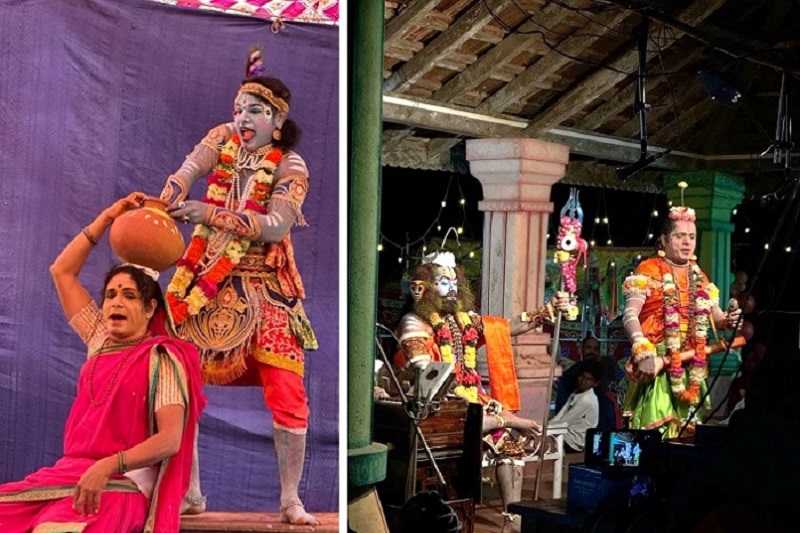
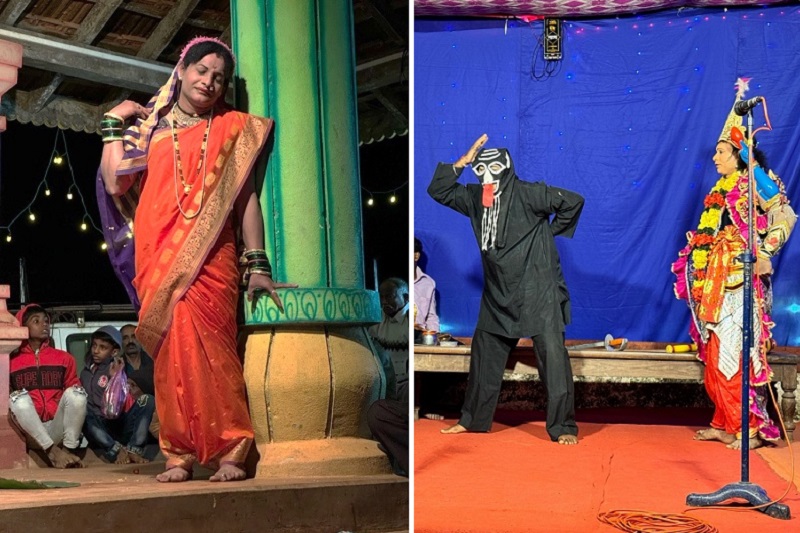
A comparable shift is evident in choreographic practices. Although Dashavatar retains its symbolic movement vocabulary, stylised gesture, rhythmic footwork, and expressive embodiment—these elements have become increasingly standardised. With adaptation to shorter formats and urban audiences, sequences such as battle scenes and character entries are often streamlined or pre-set to ensure efficiency and visual clarity.
The organisation of labour and mobility within Dashavatar troupes has also shaped performance practices and gender participation. Traditionally itinerant, troupes travelled long distances on foot, performing overnight under physically demanding conditions. Within this context and prevailing ritual restrictions, women’s participation remained limited, shaped by socio-ritual norms and practical constraints.
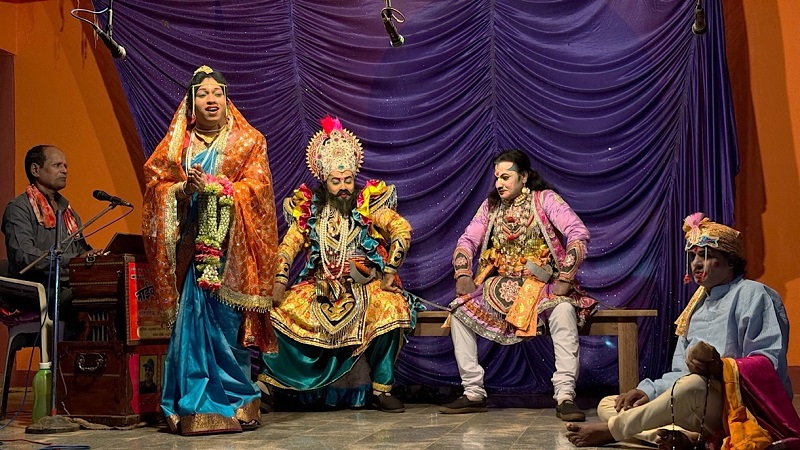
Certain communities, such as the Devali, historically associated with temple service, played a key role in enacting female characters. At the same time, male performers from other communities adopting feminine roles sometimes encountered social stigma, reflecting tensions around gender norms. However, with the spread of television from the late 1980s onwards, the visibility of male actors performing female roles in popular theatre and televised productions, often receiving critical acclaim and awards, began to shift audience perceptions, fostering greater acceptance and recognition of such performances. In recent decades, particularly post-2000, improved mobility, lighter materials, and enhanced backstage arrangements have further reshaped these conditions. While male enactment of female roles remains dominant, there are emerging instances of women performers outside temple contexts. However, such developments continue to be debated in relation to ritual legitimacy, as discussions of gender and performance in Indian theatre suggest (Richmond, Swann, and Zarrilli 180–82; Hansen 212–15).
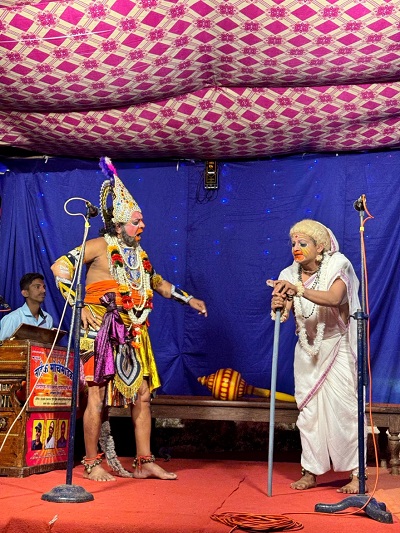
These developments indicate that gender roles and performance practices in Dashavatar are not fixed but are shaped by changing material conditions, social structures, and evolving performance ecologies. Taken together, they reflect an ongoing negotiation between Dashavatar’s origins as a participatory, community-based ritual and its contemporary presence within institutional and stage-oriented frameworks. Rather than suggesting decline, these changes demonstrate processes of selective adaptation in response to shifting temporal constraints, audience expectations, and performance environments.
Such transformations must also be understood in relation to evolving patterns of spectatorship and audience engagement.
Evolving Spectatorship and the Socio-Political Reconfiguration of Dashavatar
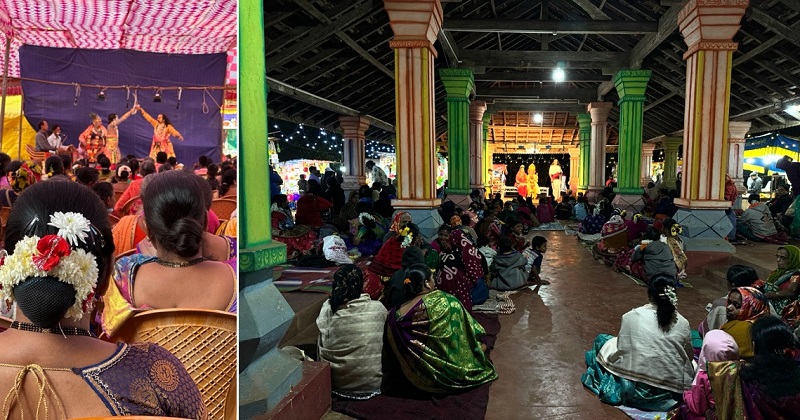
From the early twentieth century to the present, transformations in audience composition have played a decisive role in reshaping the mise-en-scène of Dashavatar, not merely at the level of aesthetics but as indicators of broader socio-political change. Prior to the 1970s, Dashavatar was embedded within temple courtyards and village-based performance ecologies, where audiences, drawn from specific caste and community networks, shared ritual frameworks, linguistic familiarity, and cultural memory. Spectatorship was participatory and relational, with audiences actively engaging in performance as part of a shared devotional experience.
From the 1970s to the 2000s, migration, urbanisation, and increased socio-economic mobility reshaped this audience base. Returning migrants, diverse spectators, and institutional audiences encountered Dashavatar beyond exclusively ritual contexts. As Richard Schechner notes, the relocation of performance into new cultural spaces often privileges narrative coherence and visual accessibility over participatory immediacy (68–72). The transformation of spectatorship thus reflects structural shifts in cultural consumption rather than merely aesthetic change.
These demographic shifts influenced performative strategies within the mise-en-scène. The use of humour, topical references, and direct audience interaction mediates between mythological narrative and contemporary realities. Similarly, “trick scenes”, including animated props and illusionistic effects—signal an increased emphasis on spectacle and immediacy, particularly for heterogeneous audiences. Such strategies recalibrate narrative delivery, pacing, and visual emphasis in response to changing modes of spectatorship.
These changes must also be situated within the cultural politics of post-independence India, where folk traditions were promoted as markers of national identity through state-sponsored and institutional platforms. As Aparna Dharwadker argues, such processes recontextualize performance forms, enabling wider visibility while distancing them from local ritual frameworks (25–50). In Dashavatar, this contributed to a shift from participatory ritual toward staged cultural representation.
This transformation is particularly visible in the narrative function of the Purvaranga (Aad-Dashavatar). The character of Shankhasur, historically a mediating figure voicing popular concerns through satire, once embedded social critique within performance. Within the dramaturgy of dharma, such commentary contributed to ethical reflection and localized public discourse (Richmond, Swann, and Zarrilli 45–50). However, from the late twentieth century onwards, this space for critique became more constrained. Performers note reduced duration and moderated dialogue, aligning the Aad-Dashavatar with institutional expectations and limiting its earlier discursive openness (Schechner 68–72).
In the post-2000 period, digital mediation has introduced further transformation. Social media circulation has expanded Dashavatar’s reach to diasporic and non-local audiences while raising expectations for visual quality, pacing, and precision. At the same time, performances are often compressed into shorter, visually dominant formats, and segments such as Aad-Dashavatar are frequently omitted. This reflects a shift toward modular, media-responsive presentation prioritising immediacy over ritual continuity.
Despite these shifts, Dashavatar retains key elements of its visual and performative vocabulary, including symbolic colour systems, codified gestures, and structured character entries. These continuities indicate not preservation but ongoing negotiation between inherited dramaturgical conventions and evolving socio-political conditions. The transformation of spectatorship thus reveals Dashavatar’s mise-en-scène as a dynamic site where performance, audience, and socio-political context intersect.
Conclusion
Taken together, these shifts demonstrate that the evolution of Dashavatar cannot be understood solely in aesthetic terms but must be read as a reflection of broader transformations in cultural practice, institutional power, and audience engagement.
This study has examined the evolution of mise-en-scène in Dashavatar by situating formal changes within wider socio-cultural and political contexts. Rather than framing these developments as a linear transition from tradition to modernity, the analysis highlights how transformations in stage design, visual aesthetics, performance practice, and spectatorship are linked to shifting caste–class configurations, mobility, and the institutionalisation of folk performance in post-independence India.
By foregrounding mise-en-scène as an analytical lens, the paper demonstrates how visual and performative elements function as critical mediators of meaning, enabling Dashavatar to negotiate between ritual continuity and changing performance conditions. The movement from open-air, community-based settings to proscenium stages, alongside new technologies and engagement with diverse audiences, reflects a reconfiguration of the form’s cultural function—from participatory ritual to a hybrid mode of staged and mediated performance.
At the same time, the persistence of symbolic colour systems, gestural vocabularies, and narrative structures suggests that Dashavatar continually rearticulates its performative logic within new contexts. These continuities point to selective adaptation shaped by socio-political conditions, institutional frameworks, and audience reception.
This study also underscores the importance of sustained documentation and critical engagement with contemporary Dashavatar practices. Visual archives and scholarly analysis can support both preservation and reinterpretation, ensuring continued relevance within changing cultural landscapes.
In this sense, the mise-en-scène of Dashavatar emerges not merely as a site of aesthetic transformation but as a critical archive of socio-political change, where configurations of community, power, and cultural identity are continuously performed and reimagined.
Bibliography
Bhaidkar, Ashok. Dashavatar. Dimple Publications, 2022.
Behere, Tulsidas Harishchandra. Dashavatar ani Yakshagana. Dimple Publications, 2020, pp. 153–55.
Bhatia, Nandi. Acts of Authority/Acts of Resistance: Theatre and Politics in Colonial and Postcolonial India. U of Michigan P, 2010.
Dharwadker, Aparna Bhargava. Theatres of Independence: Drama, Theory, and Urban Performance in India since 1947. U of Iowa P, 2005, pp. 25–50.
Fatarpekar, Vijaykumar. Dashavatar: Kala ani Abhyas. Padmagandha Prakashan, 2024, pp. 136–38.
Fischer-Lichte, Erika. The Transformative Power of Performance: A New Aesthetics. Routledge, 2008, pp. 38–72.
G., Rajendra. “An All-Nighter Avatar Play in Maharashtra.” The Hindu, 15 Oct. 2017.
Hansen, Kathryn. Grounds for Play: The Nautanki Theatre of North India. U of California P, 1992, pp. 45–7.
Kale, Aniket A., et al. “Assessment of Groundwater Potential Zones in the Konkan Region Using Geospatial Techniques.” International Journal of Environment and Climate Change, 2024.
Keluskar, Mahesh. Dashavatar. Anagha Prakashan, 2019, pp. 165–236.
Khanolkar, Uday. Kokanatli Dashavatar. Impression Publications, 1995.
Kumar, Vishal. “India Location Map.” Maps of World, 18 Jan. 2023. Accessed 21 Oct. 2025.
Ministry of Culture, Government of India. “Dashavatar: Traditional Folk Theatre Form.” Indian Culture. Accessed 6 Oct. 2025.
Pamment, Claire. “Cultural Labour: Conceptualizing the ‘Folk Performance’ in India, by Brahma Prakash.” Asian Theatre Journal, vol. 37, no. 2, 2020, pp. 604–06. JSTOR, www.jstor.org/stable/27120458. Accessed 1 Apr. 2026.
Prakash, Brahma. “Theatre of Roots: Redirecting the Modern Indian Stage, by Erin B. Mee.” Asian Theatre Journal, vol. 27, no. 1, 2010, pp. 175–79. JSTOR. Accessed 24 Mar. 2026.
Rane, Ashok. Dashavatar: Lokakala Kokanchi..!. Documentary film, 2009.
Richmond, Farley P., Darius L. Swann, and Phillip B. Zarrilli, editors. Indian Theatre: Traditions of Performance. U of Hawaii P, 1990, pp. 45–50, 112–15.
Schechner, Richard. Performance Theory. Routledge, 2003, pp. 68–72.

*Poorva Waman Pandit is a research scholar at Banasthali Vidyapith, Rajasthan, India whose work examines the mise-en-scène of Dashavatar folk theatre in South Konkan. She is a production designer with professional engagement in Marathi cinema and scenography, and founder of the design brand Trunk. She was awarded the Zee Marathi TV Award for Best Set Design (2025) for the play Thakishi Samvad.

**Dr. Mahesh Kumar Mishra (Corresponding Author) is an FTII-trained filmmaker and academic integrating creative practice with film scholarship. An alumnus of the Film and Television Institute of India, Pune, he directed award-winning films, including Mangal and Parivartan, recognised at the Chitra Bharti Film Festival (2015). Currently at Banasthali Vidyapith, his research focuses on film theory, subaltern studies, and representation in Hindi cinema.
Copyright © 2026 Poorva Waman Pandit and Mahesh Kumar Mishra
Critical Stages/Scènes critiques, #33, June 2026
e-ISSN: 2409-7411

This work is licensed under the
Creative Commons Attribution International License CC BY-NC-ND 4.0.
